Saudi
Saudi Dubai
Dubai Kuwait
 Toronto
 London, UK
 India
India

Ecommerce Website Development for Fashion Brands That Convert
The fashion industry is at a critical crossroads. While global online fashion sales are projected to reach $1 trillion by 2025, many fashion brands struggle to translate their physical store success into digital revenue. The challenge isn't just about having a website—it's about creating an immersive online experience that captures the essence of your brand while seamlessly guiding customers from browsing to purchase.
Consider this: the average fashion ecommerce site converts only 1.4% of visitors, while top-performing fashion brands achieve conversion rates of 3-5% or higher. What separates these high performers from the rest? It's not just better products or bigger marketing budgets—it's strategic ecommerce website development for fashion brands that prioritizes both aesthetics and functionality.
This comprehensive guide explores what makes fashion ecommerce solutions truly effective and how strategic online store development can transform your digital presence from a basic catalog into a revenue-generating asset.
Understanding Fashion Ecommerce: Beyond Generic Solutions
Fashion ecommerce website development requires specialized approaches that generic platforms simply can't provide. While a standard online store might work for electronics or household goods, fashion demands attention to visual storytelling, size complexity, seasonal collections, and rapidly changing inventory.
The most successful fashion ecommerce platforms share several characteristics: they're visually stunning without sacrificing load speed, they make product discovery intuitive and inspiring, they address fit concerns proactively, and they create seamless experiences across devices. Most importantly, they reflect the brand's identity in every interaction—from homepage hero images to checkout confirmation emails.
Essential Features of High-Converting Fashion Ecommerce Websites
Advanced Visual Merchandising Capabilities
Your products are visual by nature, and your website must showcase them accordingly. This goes far beyond simple product photos.
Key Visual Elements:
- High-resolution product images with zoom functionality (minimum 6-8 angles per product)
- 360-degree product views for key items
- Lifestyle imagery showing products in context
- Video content demonstrating fit, movement, and styling
- Lookbook-style galleries for collection storytelling
- User-generated content integration (customer photos)
Real-World Impact: Premium fashion brand Reformation attributes 30% of their conversion rate improvement to implementing shoppable Instagram-style galleries where customers can click directly on styled outfits to purchase complete looks rather than individual items.
Intelligent Size and Fit Solutions
Size concerns are the primary reason for fashion ecommerce returns, which average 30-40% compared to 8-10% for other product categories. Addressing fit anxiety directly impacts both conversion rates and return rates.
Fit Technology Solutions:
- Interactive size guides with detailed measurements
- Fit recommendation engines based on customer data
- Virtual try-on capabilities using AR technology
- Size comparison tools ("fits like your favorite jeans from Brand X")
- Customer review analysis highlighting fit feedback
- Chat-based sizing assistance
Implementing comprehensive sizing solutions can reduce returns by up to 25% while simultaneously increasing conversion rates by 15-20%, as customers feel more confident in their purchases.
Seamless Product Discovery and Navigation
Fashion shoppers often browse with inspiration in mind rather than specific products. Your navigation must support both goal-oriented searches and exploratory browsing.
Navigation Best Practices:
- Multi-faceted filtering (size, color, price, style, occasion, trend)
- Visual filters (color swatches, pattern previews)
- "Shop the Look" functionality
- Seasonal collection highlighting
- Personalized product recommendations
- Quick view options to browse without leaving category pages
- Saved items and wishlist capabilities
Mobile-First Shopping Experience
Over 70% of fashion ecommerce traffic comes from mobile devices, yet mobile conversion rates typically lag behind desktop. The gap represents lost revenue.
Mobile Optimization Priorities:
- Thumb-friendly navigation and buttons
- Streamlined checkout (one-page or minimal steps)
- Mobile-optimized product images (fast loading, pinch-to-zoom)
- Simplified filtering on small screens
- One-click payment options (Apple Pay, Google Pay)
- Touch-friendly size selectors
- Progressive web app capabilities for app-like experience
Social Commerce Integration
Fashion purchases are inherently social. Your customers seek validation, inspiration, and community around their style choices.
Social Features:
- Instagram shopping integration
- User-generated content galleries
- Social proof notifications ("Emma just purchased this item")
- Easy social sharing of products and outfits
- Influencer collaboration showcases
- Style quiz integrations that can be shared
- Community features (styling tips, customer photos)
Technical Requirements for Fashion Ecommerce Success
Performance Optimization for Image-Heavy Sites
Fashion websites are inherently image-intensive, which can create performance challenges. However, speed and visual quality aren't mutually exclusive.
Performance Strategies:
- Implement next-generation image formats (WebP, AVIF)
- Use progressive image loading
- Employ content delivery networks (CDN)
- Optimize images without visible quality loss
- Implement lazy loading for below-the-fold content
- Minimize render-blocking resources
Target Metrics: Aim for page load times under 2.5 seconds on mobile, with largest contentful paint (LCP) under 2 seconds. Fashion giant ASOS reduced load times by 30% and saw conversion rates increase by 12% as a direct result.
Also Rad: 7 Effective Website Speed Optimization Techniques
Scalable Architecture for Seasonal Demand
Fashion retail experiences dramatic traffic spikes during sale events, new collection launches, and holiday seasons. Your infrastructure must handle 10x normal traffic without performance degradation.
Scalability Considerations:
- Cloud-based hosting with auto-scaling capabilities
- Database optimization for large product catalogs
- Efficient inventory management systems
- CDN implementation for global reach
- Load testing before major events
- Redundancy and failover systems
Integration-Ready Systems
Modern fashion ecommerce doesn't exist in isolation. Your online store must integrate seamlessly with inventory management, point-of-sale systems, marketing tools, and fulfillment operations.
Critical Integrations:
- Real-time inventory synchronization across channels
- CRM systems for customer data management
- Email marketing platforms
- Social media advertising platforms
- Shipping and logistics providers
- Payment gateways (multiple options)
- Analytics and reporting tools
- ERP systems for enterprise operations
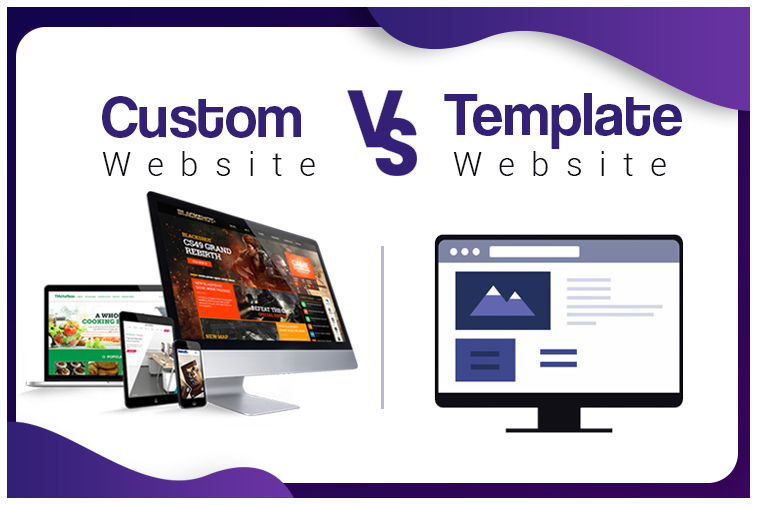
Custom Ecommerce Design vs. Template Solutions
Many fashion brands start with template-based platforms like Shopify or WooCommerce, which can work for initial launches. However, as brands grow and differentiate, custom ecommerce design becomes essential.
When Custom Development Makes Sense:
- Your brand has unique visual identity requiring custom design
- You need specialized features not available in standard platforms
- You're processing 1,000+ monthly orders
- You have complex inventory (multiple locations, wholesale + retail)
- You require advanced personalization
- Platform limitations are constraining growth
- You need complete control over customer experience
Investment Perspective: While custom development requires higher upfront investment (₹15-50 lakhs depending on complexity), the long-term benefits include better conversion rates, lower transaction fees, greater scalability, and complete ownership of your platform.
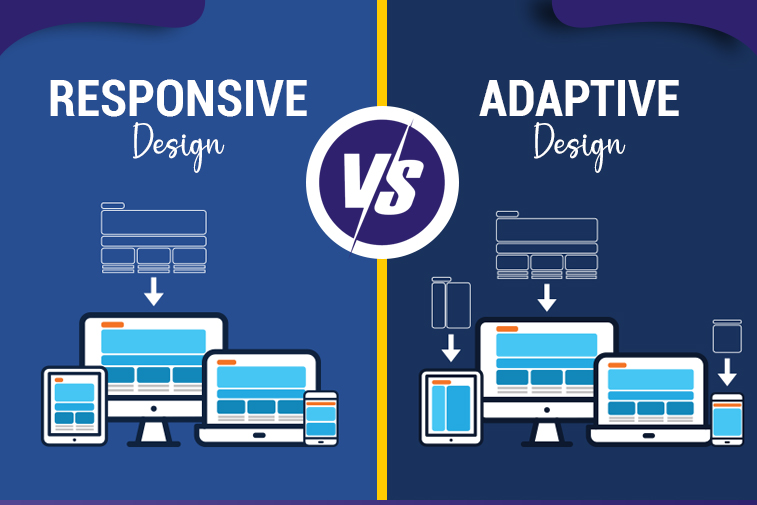
Also Read: Responsive vs Adaptive Design
How Sapphire Technologies Helps Fashion Brands Build Profitable Ecommerce Platforms
At Sapphire Technologies, we specialize in creating retail website development solutions that balance stunning aesthetics with robust functionality. Our approach to fashion ecommerce solutions is rooted in understanding both the fashion industry's unique requirements and the technical infrastructure needed to support sustainable growth.
Our Fashion Ecommerce Process:
Discovery and Brand Alignment: We begin by deeply understanding your brand identity, target audience, business model, and growth objectives. Fashion isn't just about selling products—it's about conveying lifestyle and aspiration. Our design team ensures every element reflects your brand essence.
User Experience Architecture: We map complete customer journeys, identifying friction points and opportunities for conversion optimization. Our UX specialists have extensive experience in fashion retail and understand how to guide customers from inspiration to purchase.
Custom Design and Development: Our development team builds platforms that are as unique as your brand. We create custom product page layouts, innovative filtering systems, visual merchandising tools, and checkout flows optimized for fashion purchasing patterns. Whether you need advanced variant management for colors and sizes, seasonal collection showcases, or integration with fashion-specific ERP systems, we build solutions tailored to your needs.
Performance Optimization: We obsess over speed without compromising visual quality. Our optimization techniques ensure your image-heavy fashion site loads fast on mobile devices, critical for capturing mobile shoppers who represent the majority of your traffic.
Omnichannel Integration: For fashion brands with physical stores or wholesale operations, we build unified commerce platforms that synchronize inventory, customer data, and orders across all channels. Customers can browse online, try in-store, and purchase anywhere—all with real-time inventory visibility.
Scalability Planning: We architect systems that grow with your business. Whether you're launching with 200 SKUs or managing 10,000+ products across multiple collections, our platforms handle complexity while maintaining performance.
Post-Launch Optimization: Launch is just the beginning. We provide ongoing analytics implementation, A/B testing, conversion rate optimization, and feature enhancements based on real customer behavior data.
Our clients typically see 40-60% improvements in mobile conversion rates, 25-35% reduction in cart abandonment, and 30-50% increases in average order value within six months of launching custom fashion ecommerce platforms.
Common Challenges in Fashion Ecommerce and Solutions
Challenge 1: High Return Rates Fashion return rates of 30-40% significantly impact profitability. Solutions include detailed product descriptions, accurate sizing tools, customer review integration, and AR try-on features. Brands implementing comprehensive fit solutions reduce returns by 20-30%.
Challenge 2: Seasonal Inventory Management Fashion operates on seasons with rapidly changing inventory. Custom inventory management systems that handle collections, pre-orders, made-to-order items, and clearance efficiently are essential. Integration with fulfillment ensures accurate stock levels across channels.
Challenge 3: Cart Abandonment Fashion sites experience 75-80% cart abandonment rates. Addressing this requires streamlined checkout, guest checkout options, multiple payment methods, transparent shipping costs, size confidence tools, and automated cart recovery emails.
Challenge 4: Competition and Differentiation Standing out in crowded fashion ecommerce requires unique brand experiences. Custom design, exclusive features, personalization, and compelling content create differentiation that template sites can't match.
FAQ Section
Q1: How much does custom ecommerce website development for fashion brands cost?
Custom fashion ecommerce development typically ranges from ₹15-50 lakhs depending on complexity, features, and integrations. Template-based solutions start around ₹2-5 lakhs but have limitations as you scale.
Q2: How long does it take to develop a custom fashion ecommerce website?
Development timelines range from 3-6 months for custom platforms. This includes strategy, design, development, testing, and launch. Template-based sites can launch in 4-8 weeks with fewer customizations.
Q3: What platform is best for fashion ecommerce websites?
Best platform depends on your needs. Shopify works for small to mid-size brands. Custom solutions suit established brands needing differentiation, complex inventory, or unique features beyond platform capabilities.
Q4: How can I reduce return rates on my fashion ecommerce site?
Implement detailed size guides, fit recommendation tools, multiple product images, customer photos, accurate descriptions, and virtual try-on features. Clear return policies also build confidence and reduce unwanted returns.
Q5: Should I build a mobile app for my fashion brand?
Mobile apps make sense when you have strong repeat customer base and can justify development costs (₹8-15 lakhs). Progressive web apps offer app-like experiences at lower cost and complexity.
Q6: How do I integrate my online store with physical retail locations?
Unified commerce platforms synchronize inventory, enable buy-online-pickup-in-store (BOPIS), allow in-store returns of online purchases, and maintain consistent customer profiles across channels through POS and ecommerce integration.
Q7: What payment options should fashion ecommerce sites offer?
Offer credit/debit cards, UPI, digital wallets, net banking, and buy-now-pay-later options like LazyPay or Simpl. Multiple payment options can increase conversion by 20-30% by accommodating customer preferences.
Conclusion
The future of fashion retail is digital-first, but success requires more than simply moving your catalog online. Effective ecommerce website development for fashion brands demands understanding of both fashion retail dynamics and sophisticated web technology.
The question isn't whether to invest in proper ecommerce infrastructure—it's whether you can afford not to while competitors are creating superior digital experiences that capture market share. With the right technology partner, building a fashion ecommerce platform that truly converts isn't just possible—it's the foundation for sustainable digital growth.
Your customers are ready to shop online. Is your fashion brand ready to provide the experience they expect? Contact Sapphire Technologies Now!