Saudi
Saudi Dubai
Dubai Kuwait
 Toronto
 London, UK
 India
India
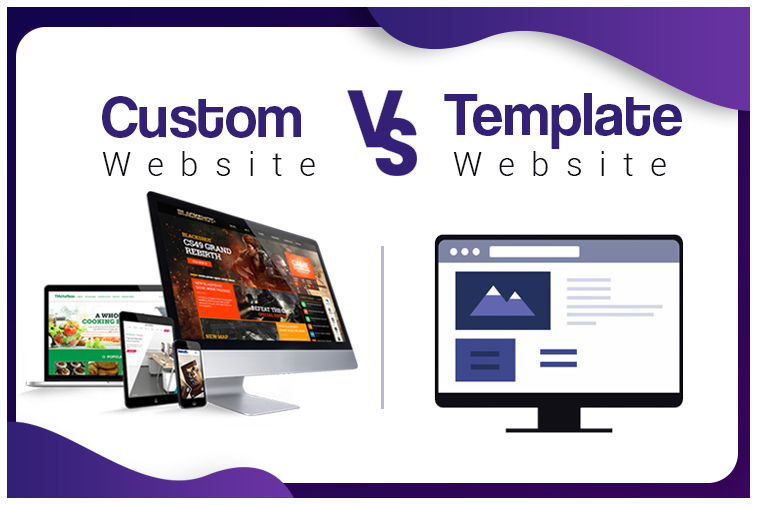
Custom Software vs Off-the-Shelf: Which Is Right for You?
Choosing the right software is one of the most important decisions a business can make. The tools you use directly affect efficiency, scalability, security, and long-term growth. One common dilemma many organisations face is custom software vs off the shelf software—should you invest in a solution built specifically for your needs, or rely on ready-made software available in the market?
There is no one-size-fits-all answer. The right choice depends on your business goals, processes, budget, and future plans. This guide explains the differences clearly, highlights real-world scenarios, and helps you decide which option makes sense for your organisation.
What Is Off-the-Shelf Software?
Off-the-shelf software refers to pre-built applications designed for a broad audience. These solutions are developed to meet common business needs and are ready to use immediately.
Common examples include:
- Accounting software
- CRM platforms
- Project management tools
- HR and payroll systems
These tools are often subscription-based and come with standard features and regular updates.
What Is Custom Software?
Custom software is designed and developed specifically for your business. It is built around your workflows, goals, and operational requirements rather than forcing your processes to adapt to generic software.
Custom solutions can include:
- Internal business systems
- Custom ERP or CRM platforms
- Industry-specific applications
- Integrated web and mobile platforms
Custom software evolves alongside your business.
Custom Software vs Off-the-Shelf Software: Core Differences
Understanding the key differences helps clarify which option aligns better with your needs.
1. Flexibility and Fit
Off-the-shelf software
- Designed for general use
- Limited customisation
- Requires process adjustment
Custom software
- Built around your workflows
- Fully adaptable to business changes
- Supports unique requirements
If your business processes are complex or specialised, custom software often provides a better fit.
2. Cost Considerations
At first glance, off-the-shelf software appears more affordable due to lower upfront costs. However, total cost over time can tell a different story.
Off-the-shelf costs may include:
- Monthly or annual subscriptions
- User-based pricing
- Add-on fees
- Integration costs
Custom software costs involve:
- Higher initial development cost
- Lower long-term licensing fees
- Reduced dependency on multiple tools
For growing businesses, custom software can become more cost-effective over time.
3. Scalability and Growth
Off-the-shelf software often limits how far you can scale without upgrading plans or switching platforms.
Custom software is designed with scalability in mind, allowing:
- Feature expansion
- Performance optimisation
- Multi-location or multi-user growth
This makes custom solutions ideal for businesses planning long-term growth.
4. Integration with Existing Systems
Modern businesses rely on multiple tools working together.
Off-the-shelf software
- Limited integration options
- Dependence on third-party connectors
- Potential data silos
Custom software
- Seamless integration with existing systems
- Centralised data management
- Improved operational visibility
This is particularly important for ERP and enterprise systems.
5. Security and Control
Security requirements vary by industry and organisation.
Off-the-shelf software
- Shared infrastructure
- Generic security standards
- Limited control over data handling
Custom software
- Security designed around your needs
- Full control over data and access
- Easier compliance with internal policies
Businesses handling sensitive data often prefer custom solutions.
When Off-the-Shelf Software Makes Sense
Off-the-shelf software can be the right choice when:
- Your needs are standard and well-defined
- You need a quick solution
- Budget is very limited
- Long-term scalability is not critical
Startups and small teams often begin with off-the-shelf tools to validate ideas quickly.
When Custom Software Is the Better Option
Custom software is often the right choice when:
- Your workflows are unique
- You need advanced integrations
- Existing tools create inefficiencies
- Scalability and performance matter
- You want long-term cost control
For many businesses, custom software becomes essential as operations grow more complex.
Real-World Business Scenario
A growing company uses multiple off-the-shelf tools for sales, inventory, finance, and reporting. Over time, this leads to:
- Duplicate data entry
- Inconsistent reports
- Manual workarounds
- Rising subscription costs
By moving to a custom system, the company centralises operations, improves visibility, and reduces long-term costs—demonstrating how custom software solves real operational challenges.
How Sapphire Technologies Helps Businesses Choose the Right Path
At Sapphire Technologies, we understand that not every business needs custom software—and not every off-the-shelf tool is sufficient.
Our approach focuses on:
- Analysing your current processes
- Identifying inefficiencies and gaps
- Evaluating existing tools objectively
- Recommending custom, hybrid, or integrated solutions
- Building scalable software when needed
We help businesses make informed technology decisions, not forced ones.
Custom vs Off-the-Shelf Decision Checklist
Ask yourself:
- Are we adjusting our processes to fit software?
- Are subscription costs increasing year over year?
- Do we struggle with integrations?
- Is scalability becoming an issue?
- Do we need better control over data and workflows?
If most answers are “yes,” custom software may be the right next step.
FAQs: Custom Software vs Off-the-Shelf Software
What is the main difference between custom software and off-the-shelf software?
Custom software is built specifically for your business, while off-the-shelf software is designed for general use.
Is custom software always more expensive?
Not always. While initial costs are higher, custom software can reduce long-term expenses and inefficiencies.
Can small businesses benefit from custom software?
Yes. Especially when processes are unique or growth demands better scalability and integration.
Can off-the-shelf software be customised?
Only to a limited extent. Deep customisation usually requires custom development.
How long does custom software development take?
Timelines vary by complexity, but most projects are delivered in structured phases.
Can Sapphire Technologies integrate existing software with custom solutions?
Yes. We specialise in integrations and hybrid solutions that combine existing tools with custom development.
Final Thoughts
The decision between custom software vs off the shelf software is ultimately about alignment—choosing technology that supports your business today and tomorrow. While off-the-shelf solutions offer speed and convenience, custom software provides flexibility, scalability, and long-term value.
With the right evaluation and guidance, businesses can avoid costly mistakes and build systems that truly support growth. Sapphire Technologies helps organisations choose and implement the right software strategy—based on real needs, not assumptions.