Saudi
Saudi Dubai
Dubai Kuwait
 Toronto
 London, UK
 India
India

Best Software Outsourcing Company For Saudi Businesses – Sapphire Technologies
The digital transformation wave sweeping across Saudi Arabia has created both unprecedented opportunities and complex challenges for businesses. As Vision 2030 continues reshaping the Kingdom's economic landscape, companies face mounting pressure to digitize operations, enhance customer experiences, and compete in an increasingly technology-driven marketplace. Yet many Saudi businesses struggle with a critical question: should they build internal development teams or partner with a software outsourcing company for Saudi businesses?
The answer isn't always straightforward. Hiring full-time developers means dealing with recruitment bottlenecks, rising salary expectations, and the constant need for upskilling. On the other hand, the right outsourcing partner can deliver enterprise-grade solutions faster, more cost-effectively, and with specialized expertise that's difficult to maintain in-house. This guide explores everything Saudi business owners, founders, and decision-makers need to know about software outsourcing—from understanding the model to selecting the ideal technology partner.
What Is Software Outsourcing and Why Does It Matter?
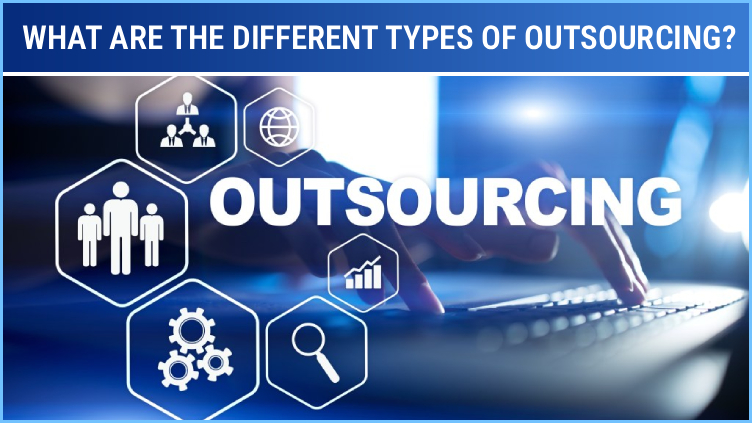
Software outsourcing involves delegating your technology development needs to an external service provider rather than building solutions internally. This could mean hiring specialists for web development, mobile app creation, enterprise resource planning systems, or complete digital transformation projects.
For Saudi businesses, outsourcing has evolved from a cost-saving tactic to a strategic necessity. The Kingdom's rapidly growing tech ecosystem demands agility that traditional hiring models cannot match. When a Riyadh-based retail chain needs an e-commerce platform within three months, or a Jeddah healthcare provider requires HIPAA-compliant software, outsourcing provides immediate access to proven expertise without the overhead of permanent employment.
The model works because it aligns with modern business realities. Companies can scale development capacity up or down based on project requirements, access global best practices, and focus internal resources on core business activities rather than managing technical teams.
Key Challenges Saudi Businesses Face Without the Right Technology Partner
Talent Scarcity and High Employment Costs
Saudi Arabia's tech talent pool, while growing, cannot keep pace with demand. Experienced software architects, full-stack developers, and UX specialists command premium salaries, and even then, recruitment cycles stretch for months. Businesses often settle for less qualified candidates or delay critical projects indefinitely.
Rapid Technological Change
The technology landscape shifts constantly. What seemed cutting-edge two years ago may now be outdated. Maintaining an internal team capable of working across cloud infrastructure, artificial intelligence, blockchain, and emerging frameworks requires continuous training investments that many businesses cannot justify.
Project Delays and Budget Overruns
In-house development projects frequently exceed timelines and budgets. Without experienced project management, clear methodologies, and accountability structures, even simple applications can become expensive failures. Many Saudi businesses have shelved half-finished software initiatives after exhausting budgets without delivering value.
Also Read: 7 Common Mistakes in Software Development Projects
Limited Strategic Focus
When leadership spends time managing developers, troubleshooting technical issues, and making technology decisions outside their expertise, strategic business initiatives suffer. Founders should focus on market expansion, customer relationships, and business development—not debugging code or mediating technical disagreements.
How to Choose the Right Software Outsourcing Company for Saudi Businesses
Selecting an outsourcing partner requires more than comparing hourly rates. The decision impacts your competitive position, operational efficiency, and long-term growth trajectory.
Evaluate Technical Expertise and Industry Experience
Look beyond generic claims of proficiency. Request case studies demonstrating relevant experience. If you're a logistics company, has the provider built warehouse management systems? For financial services firms, do they understand regulatory compliance requirements? The best software development company in Saudi Arabia will showcase proven results in your specific sector.
Assess Communication and Cultural Alignment
Misunderstandings derail projects faster than technical challenges. Your outsourcing partner should communicate proactively, understand business context beyond technical specifications, and align with Saudi business practices. Time zone compatibility, language proficiency, and cultural awareness significantly impact collaboration quality.
Review Development Methodologies
Modern software development relies on agile methodologies—iterative development cycles that deliver working software incrementally rather than waiting months for complete products. Ensure your potential partner uses established frameworks like Scrum or Kanban, conducts regular reviews, and involves stakeholders throughout the development process.
Verify Quality Assurance Processes
Software riddled with bugs damages customer trust and creates operational headaches. Comprehensive quality assurance should include automated testing, security audits, performance optimization, and user acceptance testing before deployment. Ask detailed questions about testing protocols and error resolution procedures.
Consider Long-Term Partnership Potential
Technology needs don't end when initial development completes. Software requires ongoing maintenance, updates, security patches, and feature enhancements. Choose a partner committed to long-term relationships rather than one-off project completion.
Core Services Every Comprehensive Software Outsourcing Provider Should Offer
Custom Software Development
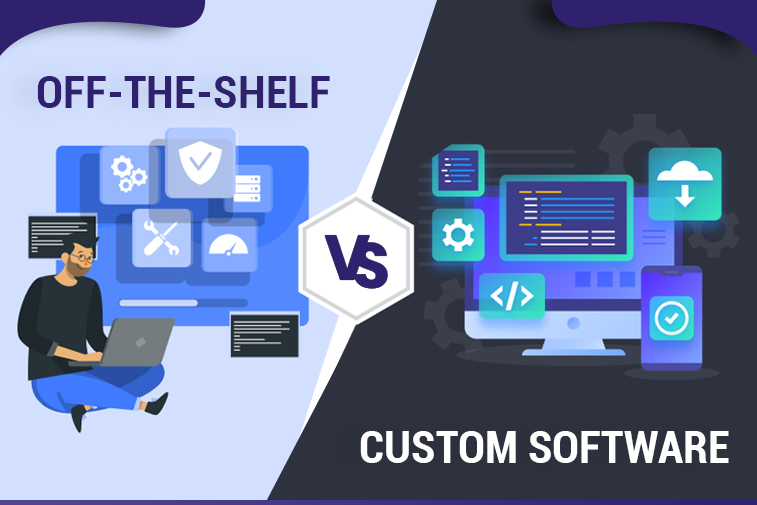
Off-the-shelf solutions rarely address unique business requirements. Custom software development creates applications tailored precisely to your workflows, integrations, and competitive advantages. Whether you need inventory management systems, customer portals, or specialized business tools, custom software eliminates the compromises inherent in generic products.
Web and Mobile App Development
In an era where customers expect seamless digital experiences across devices, responsive web applications and native mobile apps have become non-negotiable. Professional development ensures intuitive interfaces, fast performance, and consistent experiences whether users access services from desktop browsers or smartphone apps.
Enterprise Resource Planning Systems
ERP systems integrate disparate business functions—finance, human resources, supply chain, manufacturing—into unified platforms. For growing Saudi businesses, properly implemented ERP solutions eliminate data silos, improve decision-making, and position companies for scalable growth.
Digital Transformation Consulting
Technology adoption without strategic planning wastes resources. Comprehensive outsourcing partners assess current operations, identify optimization opportunities, and develop phased transformation roadmaps aligned with business objectives and budgetary constraints.
The Outsourcing Process: What to Expect
Understanding the typical engagement model helps set realistic expectations and ensures smooth collaboration.
Discovery and Requirements Gathering: Initial consultations establish project scope, business objectives, technical requirements, and success metrics. Thorough discovery prevents costly misunderstandings later.
Proposal and Planning: Detailed proposals outline deliverables, timelines, milestones, and investment requirements. Clear documentation protects both parties and creates accountability.
Design and Prototyping: Visual mockups and interactive prototypes allow stakeholders to experience proposed solutions before development begins. This stage catches usability issues early when changes cost less.
Development and Testing: Iterative development delivers working software in phases. Regular demonstrations keep stakeholders informed and allow course corrections based on evolving needs.
Deployment and Training: Successful launches include user training, documentation, and support during the transition period when teams adapt to new systems.
Ongoing Support and Enhancement: Post-launch relationships ensure software remains secure, performs optimally, and evolves alongside business growth.
How Sapphire Technologies Helps Saudi Businesses Succeed
Sapphire Technologies has established itself as a trusted technology partner for Saudi businesses across diverse industries. With deep expertise in web development, app development, ERP implementation, and comprehensive digital solutions, the company addresses the specific challenges facing Kingdom-based organizations.
The approach combines technical excellence with business understanding. Rather than simply coding to specifications, Sapphire Technologies collaborates with clients to understand underlying business problems and engineer solutions that deliver measurable value. Projects are managed with transparency, deadlines are treated as commitments rather than suggestions, and communication remains consistent throughout engagement.
What distinguishes Sapphire Technologies is the commitment to long-term client success rather than transactional project completion. The team provides ongoing support, proactive maintenance, and strategic consultation as business needs evolve. For Saudi compasinesnies seeking a software development partner that functions as an extension of their team rather than an external vendor, this relationship-focused approach proves invaluable.
Measuring ROI: How Software Outsourcing Delivers Bus Value
Skeptical executives often question whether outsourcing genuinely delivers return on investment. The answer becomes clear when examining concrete outcomes.
Faster Time-to-Market: Businesses leveraging experienced outsourcing partners launch solutions months faster than those building internal teams from scratch. In competitive markets, this speed advantage translates directly to revenue and market share.
Predictable Costs: Fixed-price projects or dedicated team models provide budget certainty compared to the variable expenses of recruiting, salaries, benefits, training, and employee turnover associated with internal development.
Access to Specialized Skills: Complex projects requiring niche expertise—machine learning, blockchain, advanced security implementations—become feasible without permanently hiring specialists needed only occasionally.
Scalability Without Long-Term Commitments: Business needs fluctuate. Outsourcing allows companies to scale development capacity for major initiatives without creating overhead during slower periods.
Risk Mitigation: Experienced providers bring proven processes, quality assurance protocols, and project management expertise that minimize the technical and operational risks endemic to software development.
Common Misconceptions About Software Outsourcing
Also Read: Top Mistakes to Avoid When Outsourcing Software Projects
"Outsourcing Means Losing Control"
Properly structured engagements include regular updates, stakeholder reviews, and collaborative decision-making. Modern project management tools provide real-time visibility into progress, ensuring clients remain informed and influential throughout development.
"Quality Suffers with Outsourcing"
Quality correlates with provider selection, not the outsourcing model itself. Reputable companies stake their reputation on delivering excellence and typically maintain higher standards than overwhelmed internal teams juggling competing priorities.
"Communication Barriers Create Problems"
While poor communication can derail any project, established outsourcing companies invest heavily in communication skills, project management infrastructure, and client relationship protocols specifically designed to overcome distance and cultural differences.
"Hidden Costs Make It Expensive"
Transparent providers outline all costs upfront. Hidden expenses typically arise from poor planning or scope changes, not inherent to outsourcing. Clear contracts and structured change management processes prevent budget surprises.
Frequently Asked Questions
What is software outsourcing for businesses?
Software outsourcing involves hiring external specialists to develop technology solutions rather than building internal development teams, providing expertise and cost efficiency.
How much does software outsourcing cost in Saudi Arabia?
Costs vary significantly based on project complexity, technology requirements, and timeline. Custom applications typically range from SAR 50,000 to several million for enterprise systems.
How long does typical software development take?
Simple applications require 2-3 months, while complex enterprise solutions may need 6-12 months. Agile methodologies allow phased delivery of functional components throughout development.
Can outsourcing companies work with existing internal IT teams?
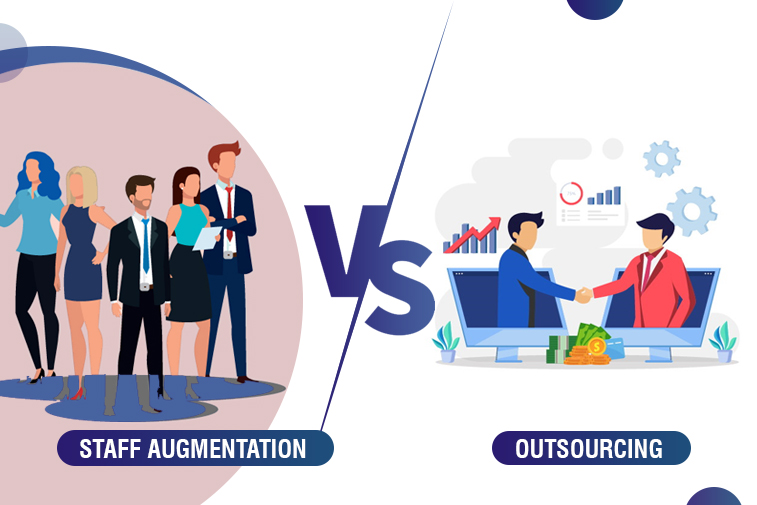
Yes, experienced providers collaborate seamlessly with internal teams, either augmenting capacity for specific projects or handling complete development while internal staff focus on operations.
What industries benefit most from software outsourcing?
Retail, healthcare, finance, logistics, manufacturing, and government sectors all benefit. Any business requiring custom software, digital transformation, or specialized development expertise gains advantages from outsourcing.
How do I protect intellectual property when outsourcing?
Comprehensive contracts should include IP assignment clauses, non-disclosure agreements, and clear ownership terms. Reputable providers respect client IP and include standard protections in engagement agreements.
What happens after software development completes?
Quality providers offer ongoing maintenance, security updates, technical support, and enhancement services. Software requires continuous attention to remain secure, perform optimally, and adapt to changing needs.
Conclusion: Making the Strategic Choice
The decision to partner with a software outsourcing company for Saudi businesses represents more than a tactical vendor selection—it's a strategic choice about how your organization approaches technology in an increasingly digital economy. As Vision 2030 continues accelerating digital transformation across the Kingdom, businesses face a fundamental question: will they struggle with internal limitations or leverage external expertise to accelerate growth?
The evidence overwhelmingly favors strategic outsourcing. Companies that recognize software development as a specialized discipline best handled by dedicated experts position themselves for competitive advantage. Those that attempt to manage everything internally often find themselves perpetually behind more agile competitors.
For Saudi businesses ready to embrace digital transformation, enhance operational efficiency, and deliver exceptional customer experiences, the right technology partner makes all the difference. Choose wisely, communicate clearly, and approach outsourcing as a collaborative partnership rather than a vendor transaction. Your business deserves technology solutions that drive growth, not create obstacles.