Saudi
 Dubai
 Kuwait
 Toronto
 London, UK
 India

Website SEO Checklist: How to Improve Your Google Rankings
Introduction
Having a website is essential for modern businesses, but simply creating one does not guarantee online visibility. With thousands of businesses competing for attention on Google, your website needs proper optimisation to reach potential customers and stand out in search results.
This is where Search Engine Optimisation (SEO) becomes important. SEO helps search engines understand your website, improves user experience and makes it easier for people to discover your products and services.
Whether you run a small business, an established company or an e-commerce store, following the right SEO practices can help improve your website's search performance. In this guide, we will explore an essential website SEO checklist to help you strengthen your online presence and attract relevant organic traffic.
1. Start with Proper Keyword Research
Keyword research is the foundation of an effective SEO strategy. It helps identify the words and phrases your potential customers use when searching for products or services.
Instead of choosing keywords based only on search volume, focus on terms that match your business offerings and customer intent.
What to check:
- Identify a primary keyword for each important webpage.
- Research relevant secondary and long-tail keywords.
- Understand what users expect when searching for a keyword.
- Include location-based keywords when targeting specific markets.
- Avoid targeting the same keyword across multiple competing pages.
For example, a company targeting Saudi Arabia could focus on phrases such as "website development company in Saudi Arabia" or "SEO services in Riyadh".
2. Optimise Page Titles and Meta Descriptions
Page titles and meta descriptions help search engines and visitors understand your webpage's content. They also influence how your website appears in Google search results.
SEO best practices:
- Write a unique title for every important page.
- Include your primary keyword naturally.
- Keep titles clear and relevant.
- Write informative meta descriptions.
- Avoid duplicate metadata.
- Ensure your title and description accurately represent the page.
For example:
SEO Title: Professional Website Development Services | Sapphire Technologies
Meta Description: Explore professional website development solutions with Sapphire Technologies. Build responsive, user-friendly websites to support your business growth.
3. Create High-Quality Website Content
Useful content helps your audience find answers and understand your services. Publishing blogs and informative website pages can also help your business cover relevant search topics.
However, adding keywords repeatedly does not guarantee better rankings. Focus on providing original, useful and relevant information.
Content checklist:
- Write original and informative content.
- Answer common customer questions.
- Use relevant keywords naturally.
- Organise content using H1, H2 and H3 headings.
- Keep paragraphs clear and easy to read.
- Update outdated information.
- Avoid duplicate or copied content.
A consistent blogging strategy can help establish your business as a reliable source of information within your industry.
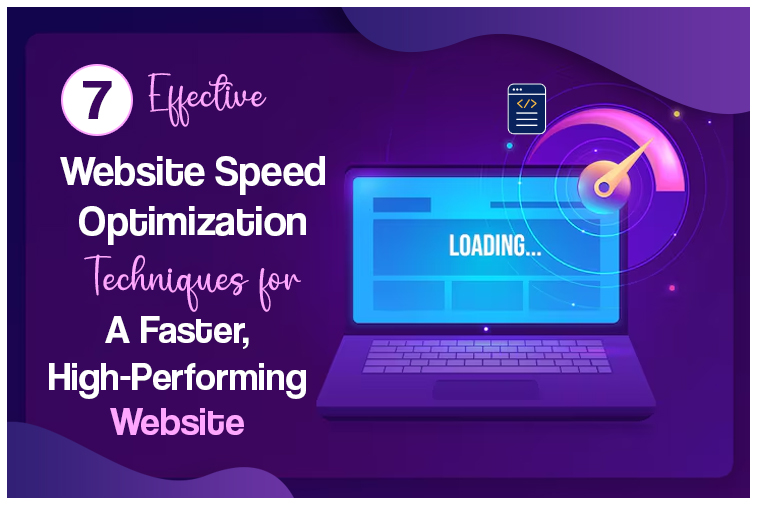
4. Improve Website Loading Speed
Website speed plays an important role in user experience. Slow-loading pages can frustrate visitors and make it difficult for them to explore your services.
To improve website performance:
- Compress large images.
- Use modern image formats such as WebP.
- Minimise unnecessary CSS and JavaScript.
- Enable browser caching.
- Choose reliable website hosting.
- Remove unnecessary plugins and scripts.
You should also monitor Google's Core Web Vitals: Largest Contentful Paint (LCP), Interaction to Next Paint (INP) and Cumulative Layout Shift (CLS).
Google PageSpeed Insights can help identify performance issues and suggest improvements.
5. Make Your Website Mobile-Friendly
Many users access websites through smartphones. A website that does not work properly on mobile devices can create a poor browsing experience and make visitors leave.
Google primarily uses the mobile version of website content for indexing and ranking.
Mobile SEO checklist:
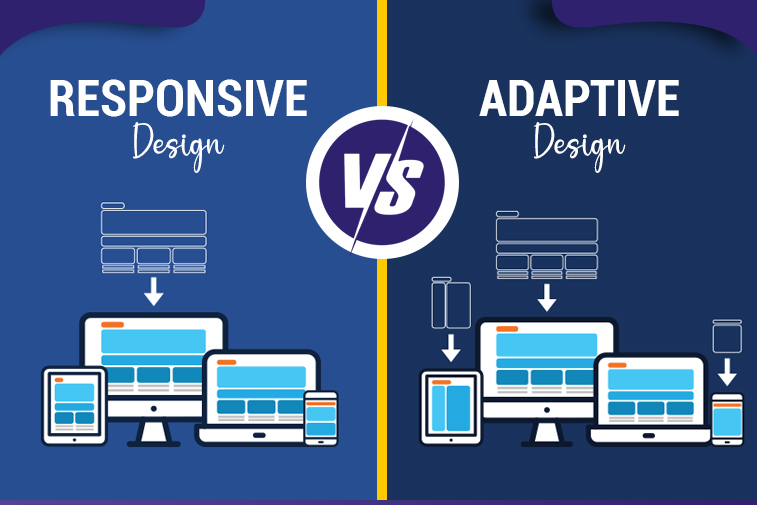
- Use responsive website design.
- Ensure text is readable on smaller screens.
- Make buttons and links easy to tap.
- Avoid horizontal scrolling.
- Optimise images for mobile devices.
- Keep navigation simple.
- Test contact forms across different devices.
A mobile-friendly website helps visitors access information and interact with your business more easily.
6. Focus on Technical SEO
Technical SEO ensures that search engines can discover, crawl and index your website effectively. Technical problems can prevent important pages from appearing correctly in search results.
Important technical SEO checks:
- Create and submit an XML sitemap.
- Review your robots.txt file.
- Ensure important pages are indexable.
- Fix broken links and error pages.
- Implement HTTPS security.
- Use canonical tags where necessary.
- Check for duplicate content.
- Monitor indexing issues through Google Search Console.
Regular technical SEO audits help maintain your website's overall search health.
7. Build a Strong Internal Linking Structure
Internal links connect different pages within your website. They help visitors discover related content and allow search engines to understand your website structure.
For example, a blog about website development can link to your website development service page.
Best practices:
- Link relevant blogs to service pages.
- Use descriptive anchor text.
- Connect related articles.
- Fix broken internal links.
- Make important pages easy to discover.
A good internal linking structure improves navigation and encourages visitors to explore more of your website.
8. Optimise Images for SEO
Images make your website more engaging, but large or poorly optimised images can affect loading speed.
Follow these image SEO practices:
- Use descriptive image file names.
- Add meaningful alt text.
- Compress images without significantly reducing quality.
- Use suitable formats such as WebP.
- Choose appropriate image dimensions.
- Place images near relevant content.
For example, use website-development-services.jpg instead of a generic file name such as IMG1234.jpg, provided it accurately describes the image.
9. Build Quality Backlinks
Backlinks are links from other websites that point to your website. Relevant and trustworthy backlinks can help search engines discover your content and understand your website's reputation.
Ways to earn quality backlinks:
- Publish useful industry resources.
- Collaborate with relevant websites.
- Contribute informative articles to industry publications.
- Participate in genuine business directories.
- Build relationships with industry professionals.
Avoid spammy link-building practices or purchasing backlinks intended to manipulate rankings. Focus on earning relevant links that provide genuine value.
10. Monitor Your SEO Performance
SEO requires continuous monitoring and improvement. Tracking website performance helps you understand which strategies are working and where further optimisation is needed.
Some useful tools include:
- Google Search Console: Monitor clicks, impressions, search queries and indexing.
- Google Analytics 4: Understand website traffic and visitor behaviour.
- Google PageSpeed Insights: Identify website performance issues.
- Google Keyword Planner: Research keyword opportunities.
Review these insights regularly and adjust your SEO strategy according to actual performance.
Conclusion
Improving your Google rankings requires a consistent approach that combines keyword research, quality content, technical optimisation, website performance and a positive user experience.
By following this website SEO checklist, businesses can identify areas for improvement, strengthen their online visibility and create better opportunities to attract relevant organic traffic.
SEO is a long-term investment, and results do not happen overnight. Consistent optimisation and useful content are essential for sustainable growth.
Want to improve your website's visibility on Google?
Sapphire Technologies helps businesses strengthen their digital presence through professional SEO, website development and digital marketing solutions. Connect with our team to explore how the right digital strategy can support your business growth.