Saudi
Saudi Dubai
Dubai Kuwait
 Toronto
 London, UK
 India
India
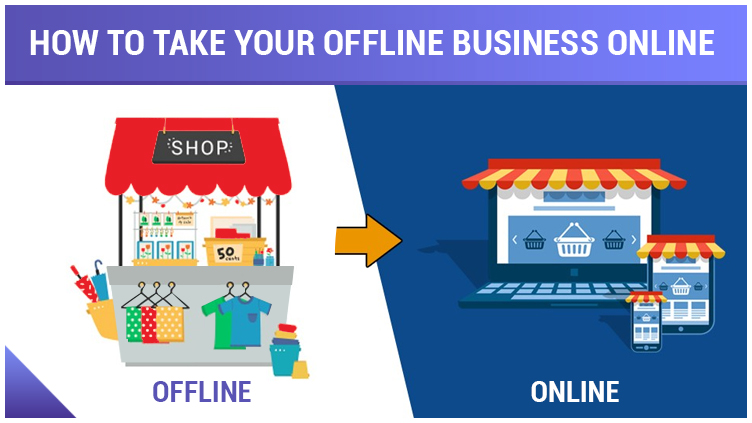
How to Take Your Offline Business Online: A Complete Roadmap
Table of Contents
1. Introduction: Why Going Online Is No Longer Optional
2. Understanding Your Digital Transformation Journey
3. Stage 1: Foundation (Weeks 1-4)
4. Stage 2: Visibility (Weeks 5-8)
5. Stage 3: Lead Generation (Weeks 9-16)
6. Stage 4: Conversion (Weeks 17+)
7. Measuring Success and ROI
8. Common Obstacles and Solutions
9. FAQ Section
1. Introduction: Why Going Online Is No Longer Optional
The Reality: Your offline business is thriving locally. You have loyal customers. Revenue is solid. But something feels unsustainable. Foot traffic fluctuates. New customer acquisition is slow. You're dependent on word-of-mouth marketing.
Meanwhile, your competitors are capturing customers online—24/7, without geographic limits.
Here's the truth: businesses that successfully transition from offline to online typically see 40-80% revenue growth within 12 months. Those that don't risk becoming invisible to potential customers who search online first.
Going online isn't about abandoning your offline business. It's about amplifying it. It's extending your reach beyond your physical location. It's creating new revenue streams. It's future-proofing your business.
This comprehensive roadmap shows you exactly how to make that transition—step-by-step, week-by-week, with realistic timelines and measurable milestones.
2. Understanding Your Digital Transformation for Small Business
What Does "Going Online" Actually Mean?
Digital transformation for small business is more than just creating a website. It's a strategic shift that includes:
- Web Presence: A professional website where customers find you
- Digital Visibility: Being discoverable through search engines and social media
- Digital Marketing: Reaching potential customers through online channels
- Lead Generation: Converting website visitors into qualified prospects
- Online Sales: Transacting business digitally (for product-based businesses)
- Customer Relationship Management: Managing digital interactions with customers
- Data-Driven Operations: Using digital metrics to guide business decisions
The best part? You don't build all this simultaneously. You build it stage-by-stage, validating and learning at each step.
Why Small Business Digital Marketing Matters More Than Ever
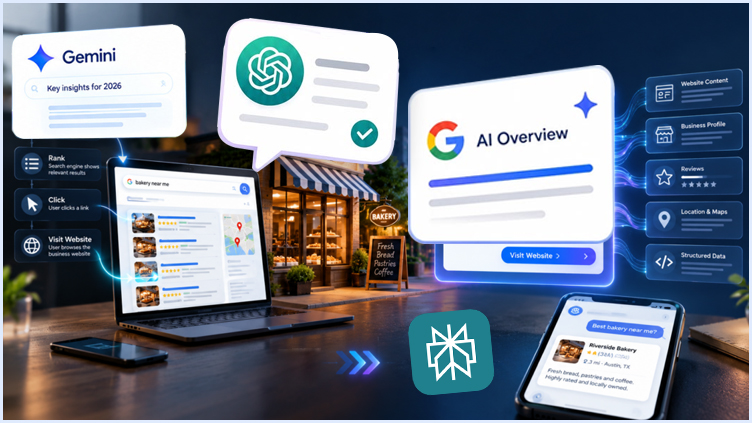
In 2026, 94% of customers search online before making purchasing decisions. If you're not online, you're invisible to them.
Digital marketing for offline business works because it:
- Extends your geographic reach (beyond your physical location)
- Operates 24/7 (customers research when convenient for them)
- Is measurable (you know what's working and what isn't)
- Is affordable (no expensive TV or billboard advertising)
- Builds trust (reviews, testimonials, content establish credibility)
- Generates qualified leads (people searching for your services)
3. Stage 1: Foundation (Weeks 1-4)
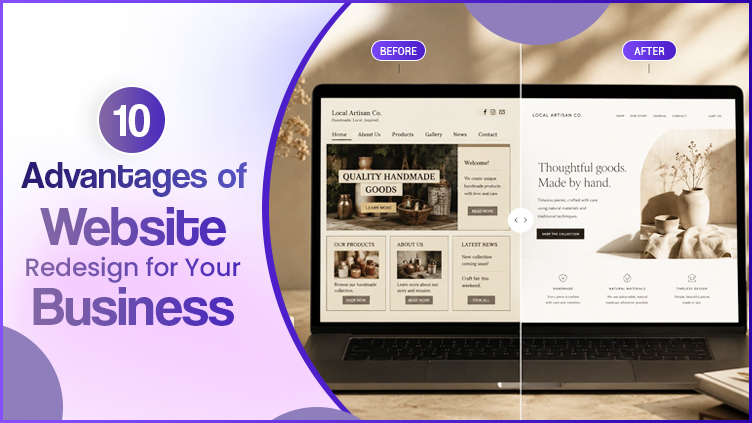
Step 1: Build Your Website for Small Business
Your website is your digital storefront. It's where customers learn about you, evaluate you, and decide whether to contact you.
Essential Elements:
Clear Value Proposition: Why should customers choose you over competitors? State this within 3 seconds of landing on your homepage.
Service/Product Information: Explain what you offer and why it matters. Use language your customers actually speak, not industry jargon.
Credibility Signals: Display customer testimonials, case studies, years in business, certifications. Social proof converts browsers into customers.
Easy Contact Options: Phone, email, contact form, live chat. Make it ridiculously easy for interested customers to reach you.
Mobile Optimization: 68% of small business searches happen on mobile devices. Your website must work perfectly on phones.
Blog Section: Space for educational content (covered in Stage 2).
Timeline: 2-3 weeks with a professional web developer. DIY website builders take 3-4 weeks.
Investment: $2,000-$8,000 for professional design. $300-$1,000 annually for hosting.
Step 2: Establish Your Digital Identity
Claim Your Business on Google: Register your business on Google Business Profile. This appears in local search results and Google Maps—crucial for attracting nearby customers.
Create Social Media Profiles: Facebook and LinkedIn are essential. Instagram if you're visual-product based. TikTok if targeting younger demographics. Start with 1-2 platforms; expand later.
Set Up Email Marketing: Choose an email platform (Mailchimp, ConvertKit, ActiveCampaign). Build your email subscriber list. This is your direct line to customers—owned by you, not controlled by social media algorithms.
Timeline: 1 week to complete.
Investment: Free to $100/month depending on email platform.
4. Stage 2: Visibility (Weeks 5-8)
Step 3: Implement Small Business Digital Marketing Strategy
Your website exists. Now you make customers aware of it.
SEO for Offline Business: Optimize your website for search engines so when someone searches "plumber near me" or "coffee shop downtown," you appear.
- Claim and optimize your Google Business Profile
- Use location-specific keywords throughout your website
- Create content answering questions your customers ask
- Build backlinks from local directories and industry sites
Content Marketing: Create educational content that addresses customer problems. A flooring company writes "How to Choose the Right Floor for High-Traffic Areas." A financial advisor writes "5 Tax Mistakes Small Business Owners Make."
This content attracts customers searching for solutions. It establishes you as an expert. It generates leads organically.
Social Media Marketing: Share valuable content. Showcase your work. Engage with followers. Build community.
Don't sell constantly. Share 70% educational/entertaining content, 30% promotional content.
Timeline: Ongoing, but you see results within 4-6 weeks.
Investment: $500-$2,000/month if you hire professionals. Free if you do it yourself (time investment).
5. Stage 3: Lead Generation (Weeks 9-16)
Step 4: Build Your Lead Generation System
Lead generation is how potential customers find you and express interest. It's the bridge between marketing and sales.
Website Lead Magnets: Offer something valuable in exchange for contact information. A home services company offers a free "Home Maintenance Checklist." A B2B service offers a free "Industry Benchmarking Report."
High-quality leads care more about solving their problem than protecting their privacy. Offer real value, and they'll gladly share contact information.
Email Nurture Sequences: Once you have a lead's email, send 3-5 educational emails over 2 weeks. Each email provides value and gently introduces your services.
Example sequence:
- Email 1 (Day 1): Welcome + educational tip
- Email 2 (Day 3): Address common objections
- Email 3 (Day 5): Share a customer success story
- Email 4 (Day 7): Offer a consultation or demo
- Email 5 (Day 14): Last-chance follow-up before they forget you exist
Paid Advertising: Google Ads and Facebook Ads put your message directly in front of people actively searching for solutions.
- Google Ads: Appear when people search for your services (high intent)
- Facebook Ads: Reach people based on interests and demographics
Start small—$200-500/month. Test different messages. Scale what works.
Strategic Partnerships: Collaborate with complementary businesses. A property management company partners with a pest control service. A salon partners with a photographer.
You refer each other's services. Zero marketing cost, mutual benefit.
Timeline: 4-8 weeks to build systems and start seeing consistent leads.
Investment: $800-$3,000/month (advertising, email platform, lead magnets).
6. Stage 4: Conversion (Weeks 17+)
Step 5: Convert Leads Into Paying Customers
Having leads means nothing if you don't convert them into customers.
Sales Process: Have a clear process for moving leads toward a sale. Steps typically include:
1. Initial Response: Respond to leads within 1 hour (if possible). First response rates matter enormously.
2. Qualification Call: Understand their needs. Determine if you're a good fit.
3. Proposal/Demo: Show exactly how you solve their problem.
4. Follow-Up: Most sales don't happen on first contact. Follow up 3-5 times.
5. Closing: Ask for the sale directly.
Relationship Building: Treat leads as people, not just opportunities. Genuine relationships build trust, which builds sales.
Customer Testimonials: Your best marketing tool is happy customers. Ask satisfied customers for testimonials. Video testimonials are even more powerful.
Referral Program: Incentivize happy customers to refer others. "Refer a friend, both get 10% off." Referrals convert at 4x the rate of cold leads.
7. Measuring Success and ROI
Track These Key Metrics
Website Metrics:
- Monthly visitors (target: 500+)
- Pages per session (target: 2-3)
- Time on site (target: 2+ minutes)
- Bounce rate (target: Below 60%)
Lead Metrics:
- Leads generated monthly (varies by industry)
- Lead quality (what % convert to customers)
- Cost per lead
- Conversion rate (leads → customers)
Revenue Metrics:
- Customer acquisition cost
- Average customer value
- ROI on marketing spend
Expected Timeline to Profitability
- Months 1-2: Foundation is built. No leads yet, but visibility is improving.
- Months 3-4: First leads arriving. Conversion rates low (normal).
- Months 5-6: Lead volume increasing. Conversion improving with experience.
- Months 7-12: Consistent lead flow. Clear picture of what works and what doesn't.
- Month 12+: Marketing becomes profitable. You're reinvesting profits for growth.
Most small businesses see positive ROI within 6-9 months.
8. Common Obstacles and Solutions
Obstacle 1: "This Takes Too Much Time"
Solution: Hire professionals for what you're not good at. Don't manage social media yourself if you hate it. Don't build your own website if that's not your expertise. Invest $500-2,000/month in professional help. Your time is more valuable selling to customers.
Obstacle 2: "We're Not Getting Leads"
Solution: Most likely causes: (1) Nobody knows about your website, (2) Your website doesn't clearly explain what you do, (3) You're not nurturing leads properly. Fix these one at a time. Don't give up after 30 days—digital marketing takes 3-6 months to work.
Obstacle 3: "Digital Marketing Is Too Expensive"
Solution: Traditional marketing is more expensive. A single local TV ad costs $500-2,000 per showing. Digital advertising lets you reach 10,000 targeted people for $200/month. Compare costs carefully—digital wins almost always.
Obstacle 4: "Our Industry Is Different"
Solution: Every industry has moved online successfully. Plumbers, electricians, personal trainers, therapists, accountants—all thriving online. Your industry isn't different. You just need a strategy tailored to it.
Obstacle 5: "Our Customers Aren't Online"
Solution: They are. 87% of adults search online even if they prefer offline transactions. They might search online, but buy offline. That's fine. Your goal is getting them to your door.
9. Frequently Asked Questions
Q1: How long before we see results?
A: Weeks 1-4 you see no results—you're building foundations. Weeks 5-8 you might see modest traffic. Weeks 9-16 you see lead generation. Weeks 17+ you see revenue impact. Average time to profitability: 6-9 months.
Q2: Should we hire someone or do it ourselves?
A: Hire for what you're not skilled at. Do what you're good at. Most owners shouldn't manage social media or build websites themselves—opportunity cost is too high.
Q3: How much should we spend on digital marketing?
A: For small businesses, allocate 3-5% of revenue to marketing. A $500K business should spend $15K-$25K annually. Adjust based on growth goals.
Q4: Which platform should we focus on first?
A: Google Business Profile + Website first. Facebook second. Industry-specific platforms third. Don't spread thin across 10 platforms.
Q5: Can we do this without social media?
A: Yes, but you'll grow slower. SEO and email marketing work without social media. But social media dramatically accelerates growth.
Q6: What if we already have a website?
A: Audit it. Is it mobile-friendly? Does it clearly explain your value? Does it have a clear call-to-action? If no to any of these, update it. A poor website hurts more than no website.
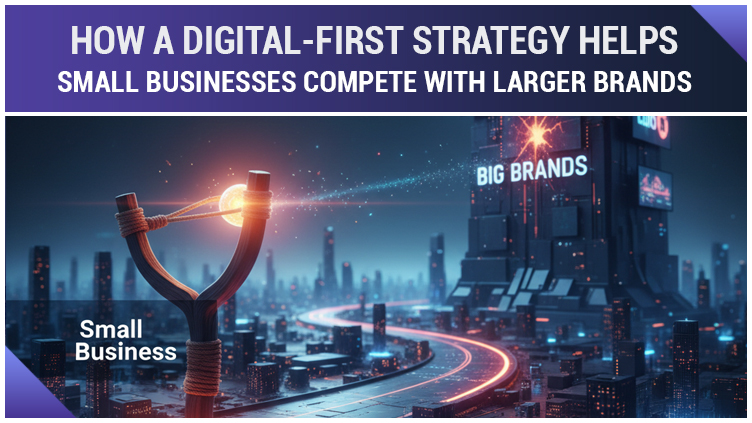
Q7: How do we compete with online-native companies?
A: You have advantages: local presence, personal relationships, trust, flexibility. Lean into these. Your local expertise beats their convenience.
Q8: Should we invest in e-commerce?
A: Only if you sell products. For service businesses, focus on lead generation first. E-commerce adds complexity and cost.
Q9: What if we get negative reviews online?
A: Respond professionally. Apologize if appropriate. Offer to fix the problem privately. One negative review with a great response often builds more trust than 20 glowing reviews.
Q10: Can we do this ourselves or should we hire an agency?
A: Start yourself or hire a small consultant (more affordable). As you scale, consider an agency. Initial success matters most—don't outsource everything initially.
Summary: Your Path Forward
Taking your offline business online isn't complicated—it just requires commitment and consistency.
Follow this roadmap: Build foundation (weeks 1-4). Build visibility (weeks 5-8). Generate leads (weeks 9-16). Convert customers (weeks 17+).
Expect realistic timelines: 6-9 months to profitability. Consistent effort throughout.
Invest in the right areas: Website, SEO, content, email marketing. These compound over time.
Track everything: You can't improve what you don't measure.
Most importantly, remember this: going online isn't replacing your offline business. It's amplifying it. The most successful hybrid businesses blend online reach with offline relationship-building.
Ready to Take Your Business Online?
Sapphire Technologies helps offline businesses transition to digital success. We build websites, implement digital marketing strategies, and create lead generation systems that drive measurable growth.
We handle the technical complexity. You focus on running your business and serving customers.
Schedule Your Free Digital Transformation Assessment
Key Takeaways
✓ Digital transformation for small business is a phased process, not overnight change
✓ Your website is the foundation—everything else builds from it
✓ Digital marketing for offline business extends your reach beyond physical location
✓ Lead generation takes 3-6 months to become consistent
✓ Small business digital marketing has proven ROI within 6-9 months
✓ Success requires consistency, not perfection